Skip to content

news

news

Strategies for the revitalization of villages in Europe and Galicia: Smart Villages and Model Settlements

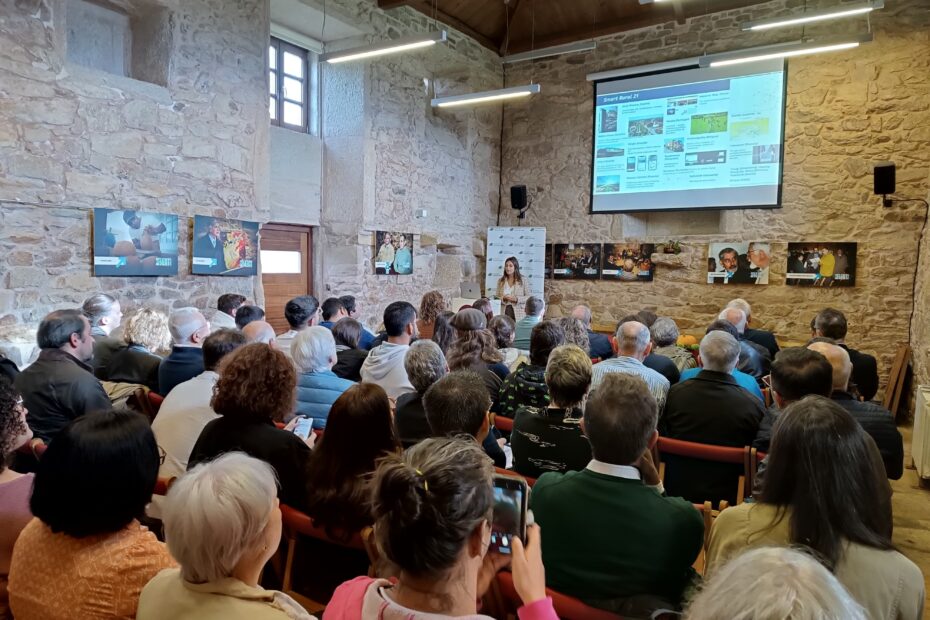
Inés Santé presented the European Smart Villages Strategy at the conference O Rexurdir das Aldeas (The Revival of Villages). The event was organised by the Juana de Vega Foundation and the Eduardo Pondal Foundation, on 3rd October in the village of Couto (Ponteceso). The conference explored the evolution of the European policy… Read More »Strategies for the revitalization of villages in Europe and Galicia: Smart Villages and Model Settlements

Rural land use planning in Galicia and the Inventory of agricultural and forestry land as an essential tool for agricultural and forestry productivity preservation

At the “I Meeting on Spatial Planning. Spatial Planning in Galicia: Assessment and Challenges” organized by the Economic Forum of Galicia on November 8th, Inés Santé participated in the panel ‘What is society demanding to the territory?’ where she highlighted the need to advance in rural land planning with instruments, such as… Read More »Rural land use planning in Galicia and the Inventory of agricultural and forestry land as an essential tool for agricultural and forestry productivity preservation

Towards a territorial agenda for Galicia. Urban and rural integration

Xurxo Loureiro Veira, participated last Tuesday 19 of November in the second day of the cycle of symposia organized by the RIA Foundation at its headquarters in Santiago de Compostela. The cycle of symposia complements the activity that the RIA Foundation has carried out in the past, gathering expert knowledge… Read More »Towards a territorial agenda for Galicia. Urban and rural integration

Participatory planning for territorial adaptation to climate change

The pressure of human activities on natural resources continues to increase worldwide, driving environmental changes and land use competition amongst conflicting uses. In these contexts of confluence of multiple visions and interests, participatory planning is the necessary approach, which enables a comprehensive and conciliatory approach, considering the perspectives of all… Read More »Participatory planning for territorial adaptation to climate change

A more integrated, conscious science in dialogue with the territory

On November 11, 12 and 13, the Land Lab organized the course “Living Territory, Science at the Threshold: Emerging Paths at the Edge of Artificial Intelligence”, a training initiative that invited participants to explore new ways of understanding and practicing science in a time marked by technological acceleration. The course, which took place… Read More »A more integrated, conscious science in dialogue with the territory

The Catalogue of Agricultural and Forestry Soils: Key to protecting productivity and sustainability in Galicia

The Galician Journal of Economics has published a study by the Territory Laboratory demonstrating the socio-economic and environmental benefits of managing rural land use in Galicia. The research addresses the complex legislative framework governing agroforestry land in the region and highlights the importance of having, for the first time, a… Read More »The Catalogue of Agricultural and Forestry Soils: Key to protecting productivity and sustainability in Galicia

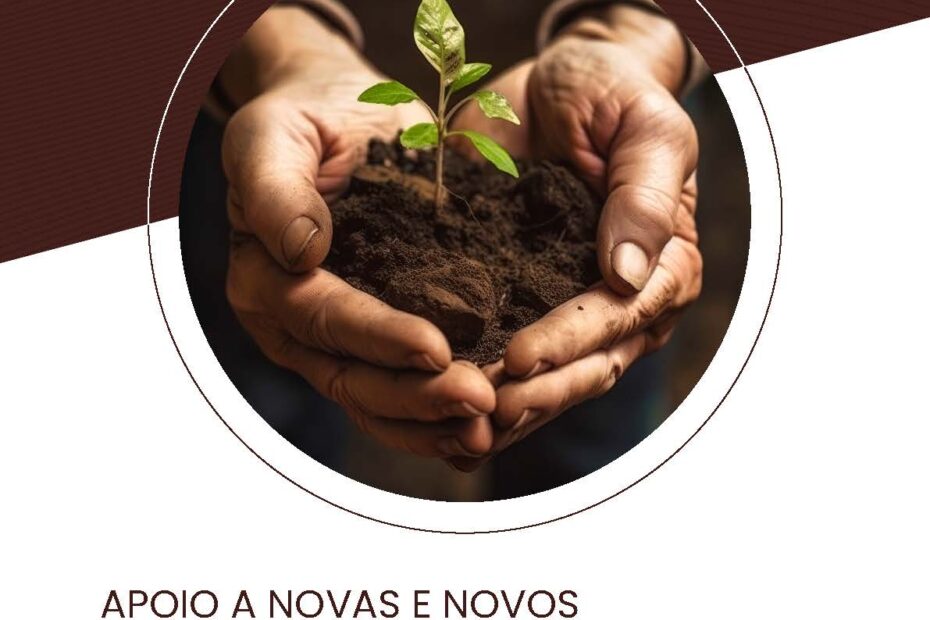
New entrants in the framework of changing rural territories and their adaptation to the different crisis and political and socio-economic trends

From November 6th to 8th, the XIV CIER took place in Coimbra bringing together sociology, economics and rural demography researchers, from the Iberian countries and Latin America. The main discussions included topics such as: comparision of agricultural policies in both continents; food security and sovereignty from a wide spectrum of… Read More »New entrants in the framework of changing rural territories and their adaptation to the different crisis and political and socio-economic trends

Learning geospatial technologies in interdisciplinary environments: a rehearsal of innovative pedagogical approaches

During the years 2020 to 2023, a working group formed by researchers from several European universities carried out the project CROSSLAND – A new cross-disciplinary framework for studying the landscape over the long term (Erasmus+ KA2). The aim of the project was to test new pedagogical approaches related to the… Read More »Learning geospatial technologies in interdisciplinary environments: a rehearsal of innovative pedagogical approaches