


Food systems and generational renewal in agriculture
Under this line of research, the agri-food system is analysed by adopting a holistic and systemic vision. It addresses both the evolution of the system and its internal or external processes, considering the complex interrelationships that occur between its component elements. In this sense, it studies the availability of production resources, the impact of diet on the territory, emerging conflicts, and the factors that guarantee food security. This approach includes an analysis of the actors involved in the system and their interrelationships, considering them as active agents in land-use planning and research processes.
n Galicia, the aging of farming and the lack of replacement is evidenced by the fact that nearly half of farm managers were already above retirement age by the year 2020. This phenomenon transcends demographics, being affected by changes in land use and ownership, agricultural policies, and socialization. From the LaboraTe, generational renewal is approached as a relational process of entry, continuity, and exit from farming—involving farmers as well as families, hired staff, advisory and support entities, political agents, education, markets, etc. The research work focuses on analysing the processes, relationships, and conditionings of all these actors who influence the entry and exit of different profiles.
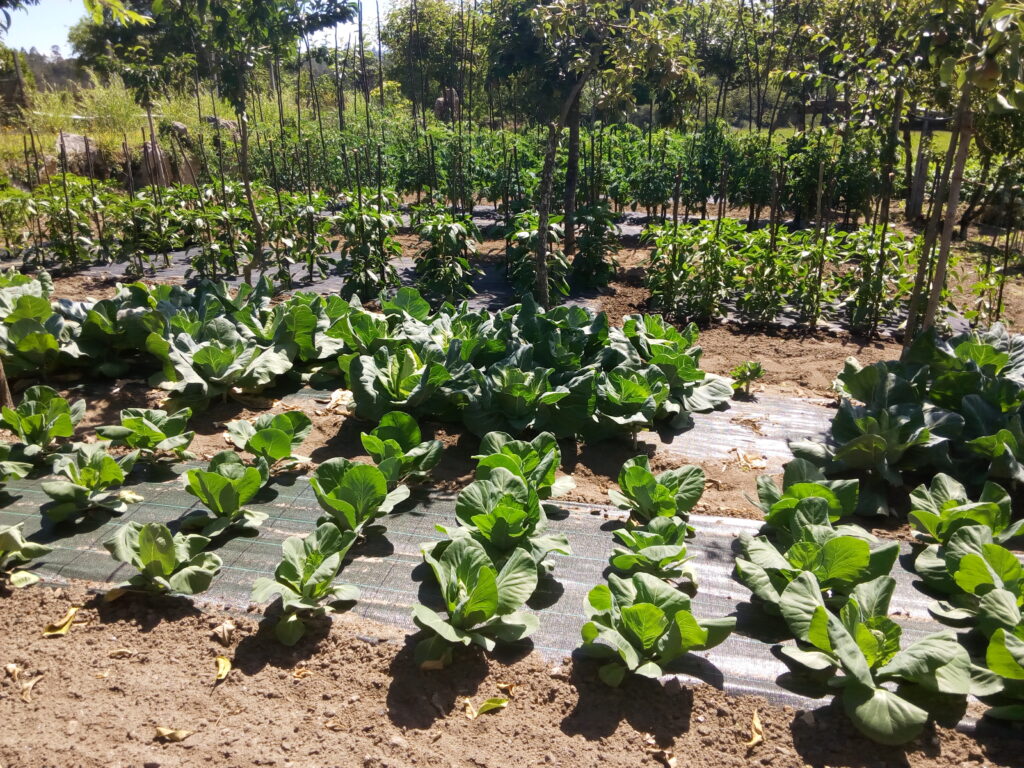
The continuity of the Galician food system has long-term implications for local food production, the conservation of traditional agricultural knowledge, and the health of ecosystems and agricultural landscapes. This line of research focuses on the functionality of the food system, resource management, and food security, and is linked to other laboratory research lines such as land-use planning, land management, green infrastructure, and ecosystem services.
No publications registered in this area.